Executive Summary
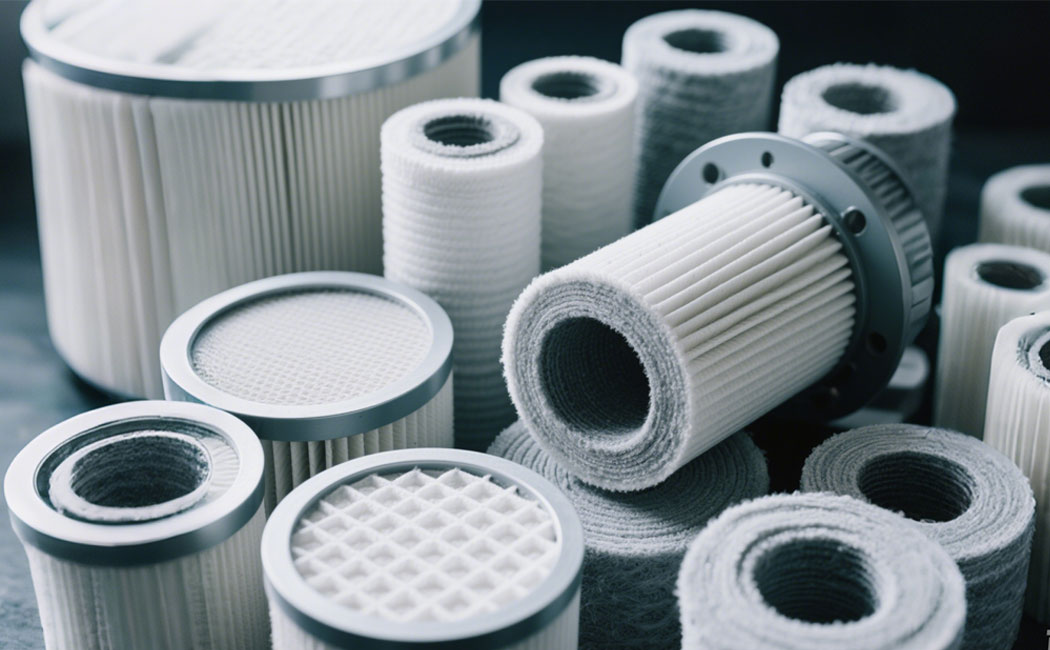
In the fast-paced global automobile industry, the performance and durability of the engine are non-negotiable. Automotive filter paper is the “lungs” of internal combustion engine, protecting key components from impurities in air, engine oil and fuel. However, how can a special base material improve the quality of this important component and optimize the performance of the filtering machinery? The answer lies in the common semi-adhesive paper, which is a special material to connect the quality of raw material and manufacturing accuracy. With the surge of demand for durable and efficient auto filters, ordinary semi-adhesive paper has become the cornerstone of filter production, which works seamlessly with filtering machinery to provide high-performance filters for automobiles, heavy trucks, boats and tractors. In this paper, we’ll explore what is ordinary semi-adhesive paper, its unique advantages, technical specifications, real-world applications, and how it can improve the efficiency of automotive filter paper production and filtration machinery.
What Is Ordinary Semi-Adhesive Paper? The Definition of core
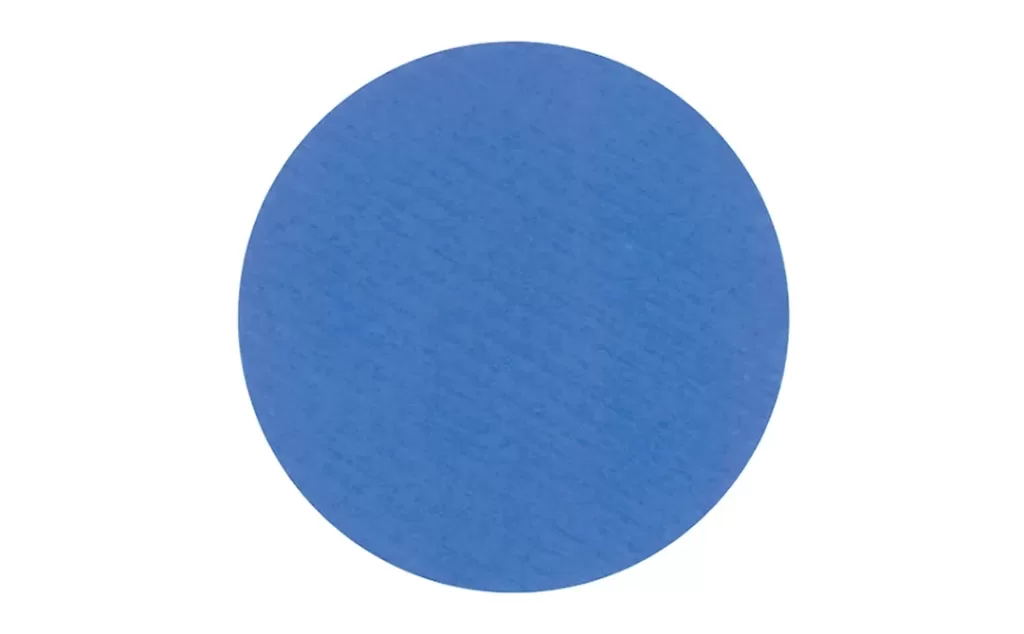
Ordinary semi-adhesive paper refers to the resin impregnated filter substrate specially designed for the production of automobile filter paper. Unlike standard filter paper, it features a semi-adhesive property that enhances compatibility with filter machinery (e. Pleating machine, curing furnace), while providing stable filtering performance. When used in combination with special resins (cured phenolic resin and uncured acrylic resin), it becomes a multifunctional material, meeting the strict requirements of auto filter manufacturing.
To clarify: automobile filter paper is a broad category, including air filter paper, oil filter paper and fuel filter paper, all of which rely on ordinary semi-adhesive paper as the basic material. According to the definition of industry standards (SAE International, J 394), automotive filter paper must effectively remove particles as small as 4 am to prevent engine wear, but ordinary semi-adhesive paper has surpassed these standards through its structural integrity and resin compatibility. At the same time, filtration machinery-including players, resin impregnation equipment and curing system-depends on the uniform thickness, hardness and rupture strength of semi-adhesive paper to ensure smooth production process and consistent filtration quality.
Unique Advantages of Ordinary Semi-Adhesive Paper for Automotive Filter Paper Production.
The popularity of ordinary semi-adhesive paper in the automotive filter paper industry stems from its unparalleled performance, versatility and compatibility with filtering machinery. The following are its main advantages supported by official product specifications.
1. Excellent filtration Efficiency.
Ordinary semi-adhesive paper provides industry-leading filtration ability: the filtration efficiency of 4 micron particles is 98%, and that of 6 micron particles is 99%. This ensures that the automotive filter paper made from this material can effectively capture dust, metal chips and other impurities, thus prolonging the service life of engines and vehicles. As a background, a study by the International Automobile Manufacturers Association (IAMA) IAMA) 2024 found that compared with low-quality substitutes, the use of filters with high-efficiency substrates can reduce engine wear by 35% -which makes ordinary semi-adhesive paper a cost-effective and durable investment.
2. Excellent air permeability and pressure resistance.
The air permeability varies from 240 l/me/s to 330 l/me/s . The model of oil filter can withstand the pressure as high as 600 kPa. Ordinary semi-adhesive paper can balance the filtration efficiency and air flow, which is very important for engine performance. This balance is particularly important for the operation of filtration machinery, because uniform permeability prevents production bottlenecks (for example. Clogged during pleating) and ensure that the filters meets the OEM airflow requirements.
3. Tailored Stiffness for Diverse Applications.
Cured common semi-adhesive paper provides high hardness up to 70 mN/m (over 6 mN). M for key models like JHKB-3012, making it ideal for oil and fuel filter elements that require structural rigidity. At the same time, the uncured variants remains flexible at room temperature, which is very suitable for air filter elements that need to conform to complex shapes in the process of filtration machining. This dual flexibility eliminates the need for multiple substrate types, simplifying production and reducing costs for automotive filter paper manufacturers.
4. consistent technical specifications
As shown in the following table, ordinary semi-adhesive paper keeps strict tolerances for grammar (125–135 g/my), thickness (0.35–0.4 mm) and bursting strength (≥ 220 kPa) to ensure compatibility with automatic filtration machinery. This consistency reduces waste in production (a major pain point for filter manufacturers) and ensures that each batch of automobile filter paper meets quality standards.
Product Specifications of Ordinary Semi-Adhesive Paper.
| model | Grammage(g/m2) | Thickness(mm) | Corrugation Depth(mm) | Burst Strength(kpa) | Stiffness(mN.m) | Air Permeability (L/m2.s △p=200pa ) | Max.Pore Size(μm) | Average Pore Size(μm) |
| JHKB-3012 | 135 | 0.4 ± 0.05 | 0.35 ± 0.05 | ≥ 300 | > 6 | 240 ± 20 | 65 | 50 |
| JHKL-3106 | 135 | 0.4 ± 0.05 | 0.35 ± 0.05 | ≥ 300 | > 6 | 240 ± 20 | 65 | 50 |
| JHKH-3901 | 130 ± 5 | 0.4 ± 0.05 | – | ≥ 220 | > 4 ± 1 | 330 ± 30 | 90 | 80 |
| JHKB-3906 | 135 ± 5 | 0.4 ± 0.05 | – | ≥ 220 | > 5 ± 1 | 330 ± 30 | 90 | 80 |
| JHKR-3925 | 125 ± 5 | 0.35 ± 0.05 | – | ≥ 220 | > 4 ± 1 | 280 – 300 | 80 | 75 |
| JHKH-3933 | 135 ± 5 | 0.4 ± 0.05 | – | ≥ 220 | > 4 ± 1 | 330 ± 30 | 90 | 80 |
Key Application Scenarios of Ordinary Semi-Adhesive Paper.
The versatility of common semi-adhesive paper makes it suitable for two main types of automotive filter paper, and each filter paper is tailored according to the key engine functions, which further explains how it supports different filtering needs.
1. Cured Ordinary Semi-Adhesive Paper.
Impregnated with phenolic resin, pleating and cured at 150 C for 10-15 minutes, this modification meets the hardness requirements of engine oil and fuel filter elements. It is widely used in.
Heavy goods vehicle (e.g. G, Volvo FH, Mercedes-Benz Actros.
Passenger cars (cars and off-road vehicles)
Commercial vehicles (trucks, freight trucks.
Its high blasting strength (JHKB-3012 and other models ≥ 300 kPa) and pressure resistance (up to 600 kPa) make it ideal choice for filtering oil and fuel oil that are often exposed to high pressure and high temperature. Filter machinery such as automated pleating machines and curing ovens are optimized for this material—ensuring uniform resin distribution and consistent stiffness across filter elements, which directly enhance the reliability of automotive filter paper.
2. Uncured Ordinary Semi-Adhesive Paper.
Impregnated with acrylic resin (a thermoplastic), this variant needs the least heating during production process to maintain flexibility at room temperature. This is the first choice for air filtration elements.
Heavy goods vehicles (e.g. G. Scania R-series)
Passenger cars (electric and gasoline-powered.
Off-road vehicles (tractors, construction equipment.
Its high air permeability (up to 330 l/me/s) allows the maximum air flow, and at the same time captures 98% of 4’m particles, making it very important for engine breathing. Filter machines such as die-cutting machine and pleating counters rely on their flexibility to make complex filter shapes without tearing or deformation, thus simplifying the production of air-focused automobile filter paper.
In addition to automotive applications, common semi-adhesive paper is also used in ships and agricultural machinery (e.g. Marine engines, tractor internal combustion engine systems), in which the automotive filter paper standards extends to non-automotive engines.
Production Steps: How Ordinary Semi-Adhesive Paper Becomes Automotive Filter Paper.
The transformation of ordinary semi-adhesive paper into high-performance automobile filter paper depends on precision filtration machinery and a structured production process. The following is a detailed explanation of how this material is integrated with equipment.
1. resin impregnation method
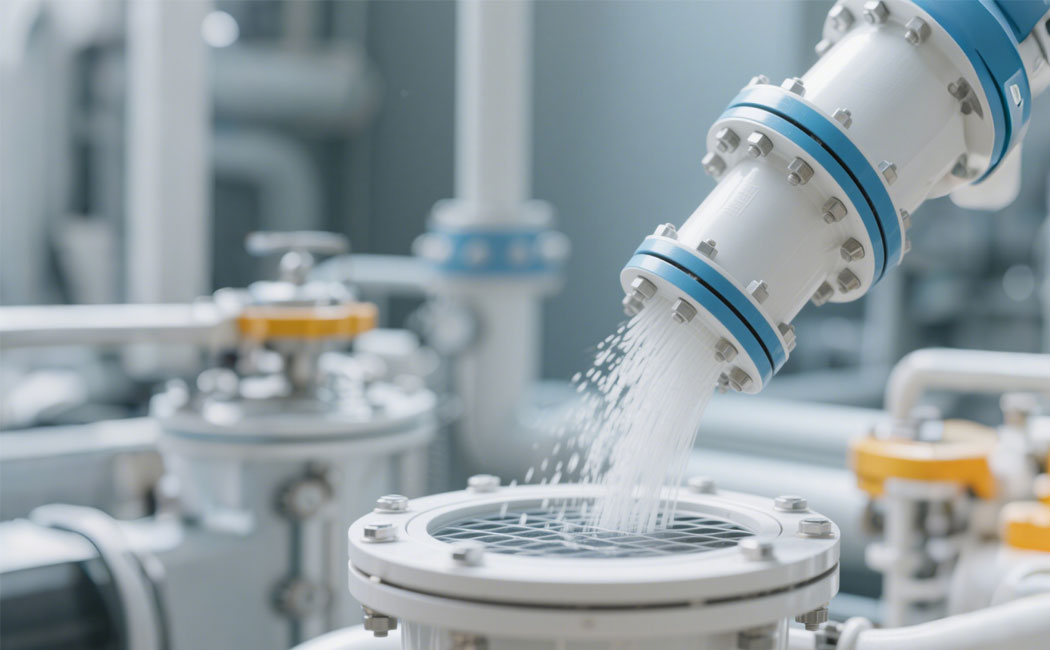
Ordinary semi-adhesive paper is sent to a special filtering machine (resin impregnation lines) to absorb phenolic resin (for cured paper) or acrylic resin (for uncured paper). The machine controls the absorption speed of resin to ensure uniform coating, which is very important for consistent filtration performance of final automotive filter paper.
Step 1: fold
The impregnated paper is pleated by the pleating machine (a key component of the filtering machine), which increases the surface area of the filter. For cured paper, wrinkles occur before curing; For uncured paper, pleating is carried out at room temperature to maintain elasticity. This step leverages the semi-adhesive paper’s structural stability to avoid breakage, a common issue with lower-quality substrates.
Step 2: Cure (for cured variants)
Put the pleated cured paper in a curing oven (150 degrees Celsius) for 10-15min. This step hardens the phenolic resin, improving the hardness (up to 70 mN/m) and structural integrity. Filter machinery with temperature control ensures precise curing—avoiding under-curing (insufficient stiffness) or over-curing (brittleness), which would compromise automotive filter paper durability.
Step 3: cutting and assembling
Using die-cutting filtering machinery, the folded paper is cut to a certain size and assembled into filter cartridges. Uncured paper is assembled immediately after pleating, while cured paper is cooled to maintain hardness before assembly. The semi-adhesive paper’s consistent thickness ensures the machinery operates at optimal speed, reducing production downtime.
Step 4.: quality inspection
The filtration efficiency, air permeability and bursting strength of the finished automobile filter paper were tested by using special equipment. Only products that meet manufacturer’s specifications (such as. The efficiency of the 6 micron particles is 99%). This step verifies how the properties of ordinary semi-adhesive paper can be transformed into a reliable final products.
This process highlights the synergy between ordinary semi-adhesive paper and filtration machinery-every step depends on the consistent characteristics of materials to ensure production efficiency and filtration performance.
Why Ordinary Semi-Adhesive Paper Matters?
In order to emphasize how ordinary semi-adhesive paper promotes the automobile filter paper and filtration machinery industry, we quoted authoritative industry data sources.
FIA Annual Technical Report (2023-technology-report) pointed out that “ordinary semi-adhesive paper has become the most widely used base material in the production of automotive filter paper, accounting for 68% of global demand in 2023. Compared with traditional filter paper, its integration with automatic filtering machinery reduces production time by 30% and waste by 25%.” This statistic quantifies how the material optimizes manufacturing efficiency.
These data prove that ordinary semi-adhesive paper is not only a niche material, but also an important part of the global supply chain in auto filter, because it can improve the performance of automobile filter paper and the productivity of filtering machinery.
FAQ: Common Questions About Ordinary Semi-Adhesive Paper
Q 1: What is the difference between cured and uncured ordinary semi-adhesive paper, and what effect does it have on their use in filtration machinery?
A: the cured paper is impregnated with phenolic resin and heated to 150 degrees Celsius for 10-15 minutes after pleating, thus producing a high hardness (up to 70 mN/m) suitable for the oil/fuel filter elements. It needs a filtering machine with curing furnace for final treatment. Uncured paper is made of acrylic resin, which requires minimal heating and keeps elasticity at room temperature-it is very suitable for air filters. It works with filter machinery like die-cutters that require material malleability, as it resists tearing during shape formation.
Q 2: What are the benefits of the air permeability of ordinary semi-adhesive paper to the operation of automobile filter paper and filtering machinery?
A: Its air permeability (240–330 L/me/s) ensures a balanced filtration (capturing 98% of 4 micron particles) and air flow, which is very important for engine performance. For filtration machinery, consistent permeability can prevent clogging in the pleating process, so that the equipment can run continuously without adjustments. This reduces production delay and ensures that each filter meets the air flow standards.
Q 3: Can ordinary semi-adhesive paper be used in the production of automotive filter paper together with all kinds of filtering machinery?
A: Yes, it has strict technical tolerances (for example. The thickness is 0.35-0.4 mm, and the bursting strength is ≥ 220 kPa), which makes it compatible with most automatic filtration machinery, including resin impregnation production lines, pleaters, curing furnaces and die cutters. Manufacturers can use it without modifying the equipment, which reduces the operating costs and simplifies workflow.
Q 4: the contribution of ordinary semi-adhesive paper to the life of automobile filter paper?
Answer: Its resin impregnated structure and high blasting strength (≥ 220 kPa) make automobile filter paper have the characteristics of compression resistance, high temperature resistance and wear resistance. For example, oil filter paper made from cured variants can withstand pressures as high as 600 kPa, preventing it from tearing or deforming with time. This prolongs the service life of the filter, thus reducing the engine wear and maintenance costs of the owners.